Seasons

The Arctic year, season by season

Lapland is not one destination visited at different times — it is four genuinely different places. The snow that carries your weight in March is gone by June, and the forest you hiked at midnight in July is under a metre of snow by Christmas. Here is what each season is actually like, and what it is worth coming for.

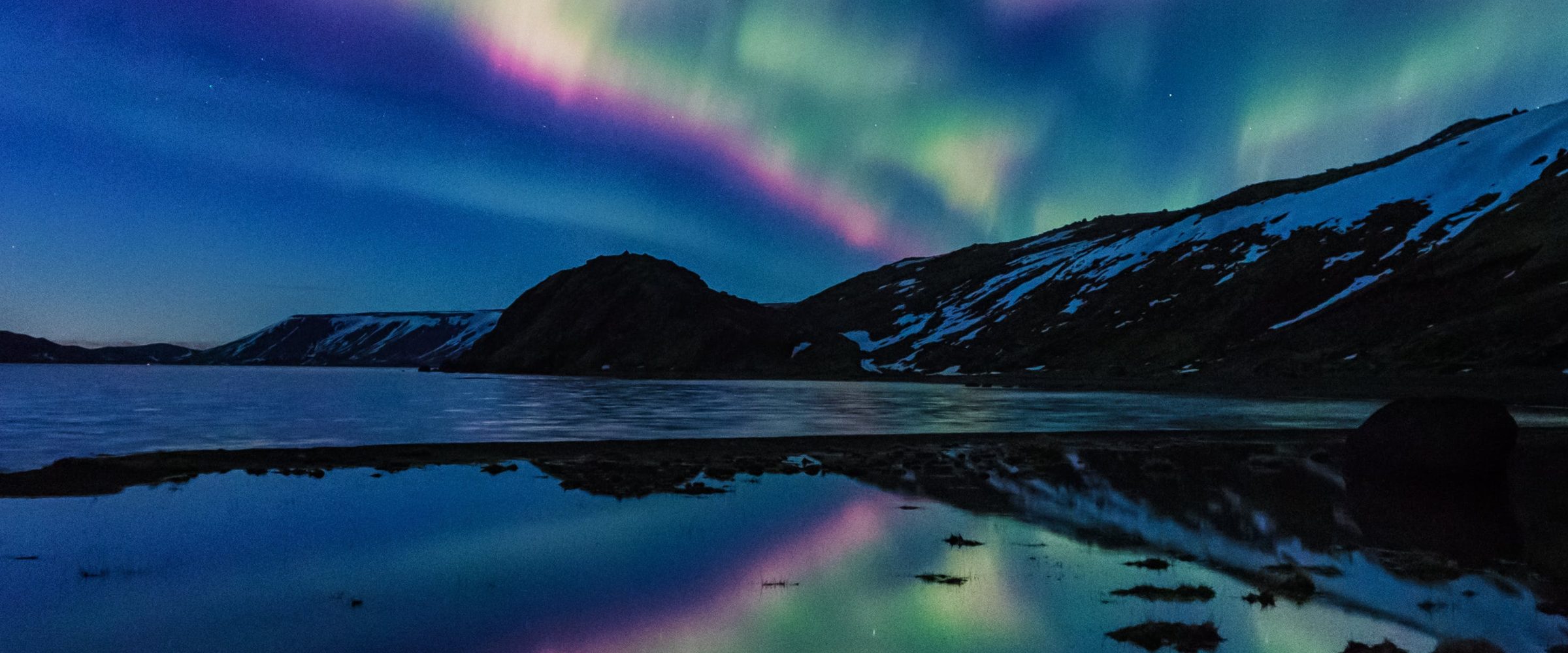
The Northern Lights over a still lake and snow-patched fells in Finnish Lapland
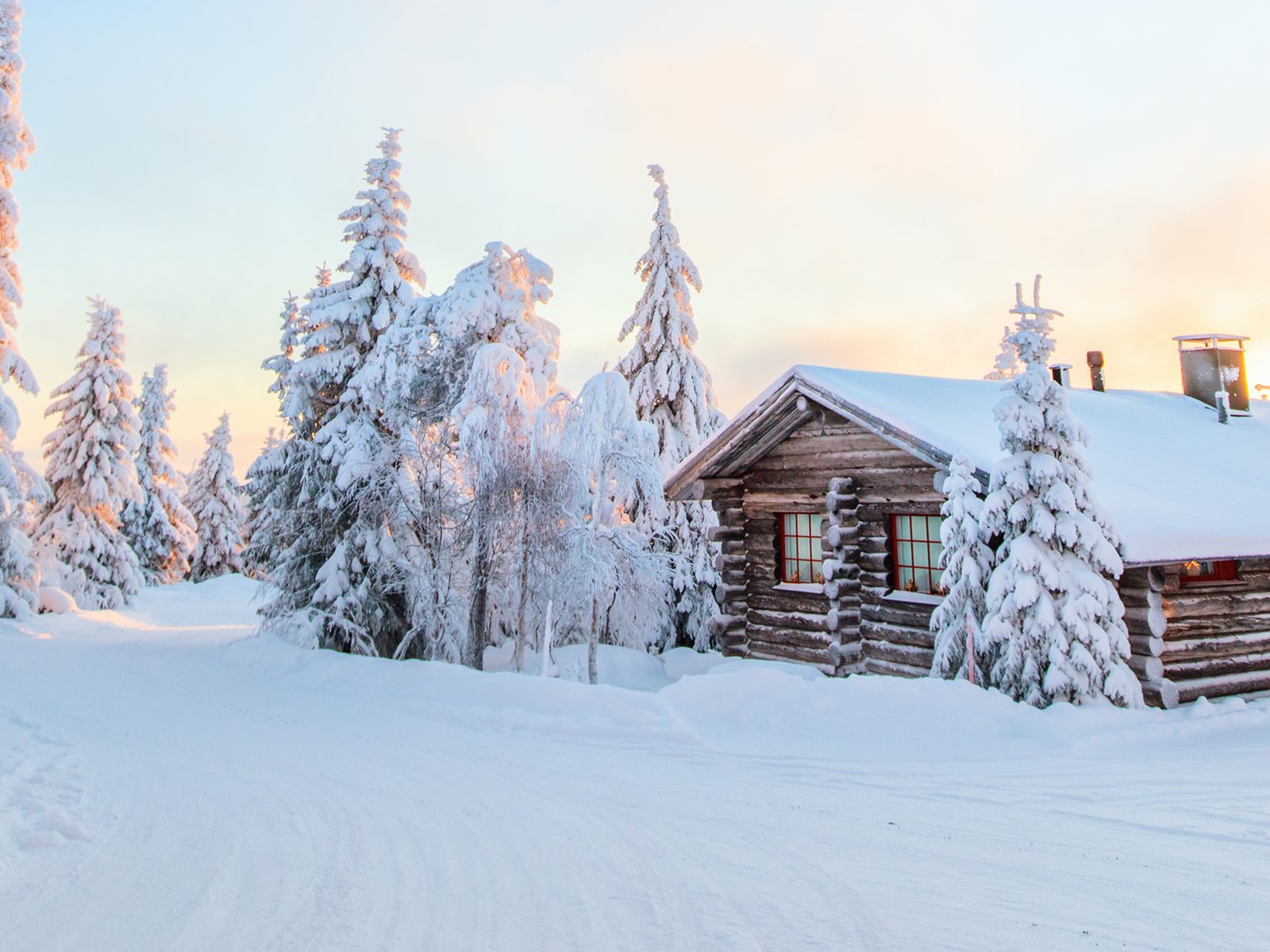
Snow-laden spruce and a timber cabin in low winter light, Finnish Lapland
I

Winter in Lapland

This is the Lapland most people picture, and the only season that fully delivers it. Permanent snow cover settles in late November or early December and does not leave until April. The forest goes silent under it. Rovaniemi takes 150 to 200 centimetres of snowfall across a season, and by midwinter the spruce are bent double with the weight of it.

The darkness is the point, not the drawback. Around the winter solstice the sun barely clears the horizon — and north of Rovaniemi it does not clear it at all for weeks. What replaces daylight is a long blue twilight the Finns call the blue moment, a few hours of saturated cobalt light that photographs unlike anything else. It also means the longest possible aurora window: on a clear night the sky is dark from mid-afternoon onward.

It is genuinely cold, and worth being honest about that. Minus twenty is an ordinary January day. But it is a dry cold, the clothing is provided, and most guests find it far more manageable than the number suggests.

  • DaylightAround 2–4 hours at solstice, rising through February
  • SnowFull cover, deepening; 150–200 cm falls across the season
  • Northern LightsPrime — the longest dark hours of the year
  • Typical daytime−10°C to −25°C
  • Best forAurora, Christmas, glass igloos, husky and reindeer
Winter itineraries
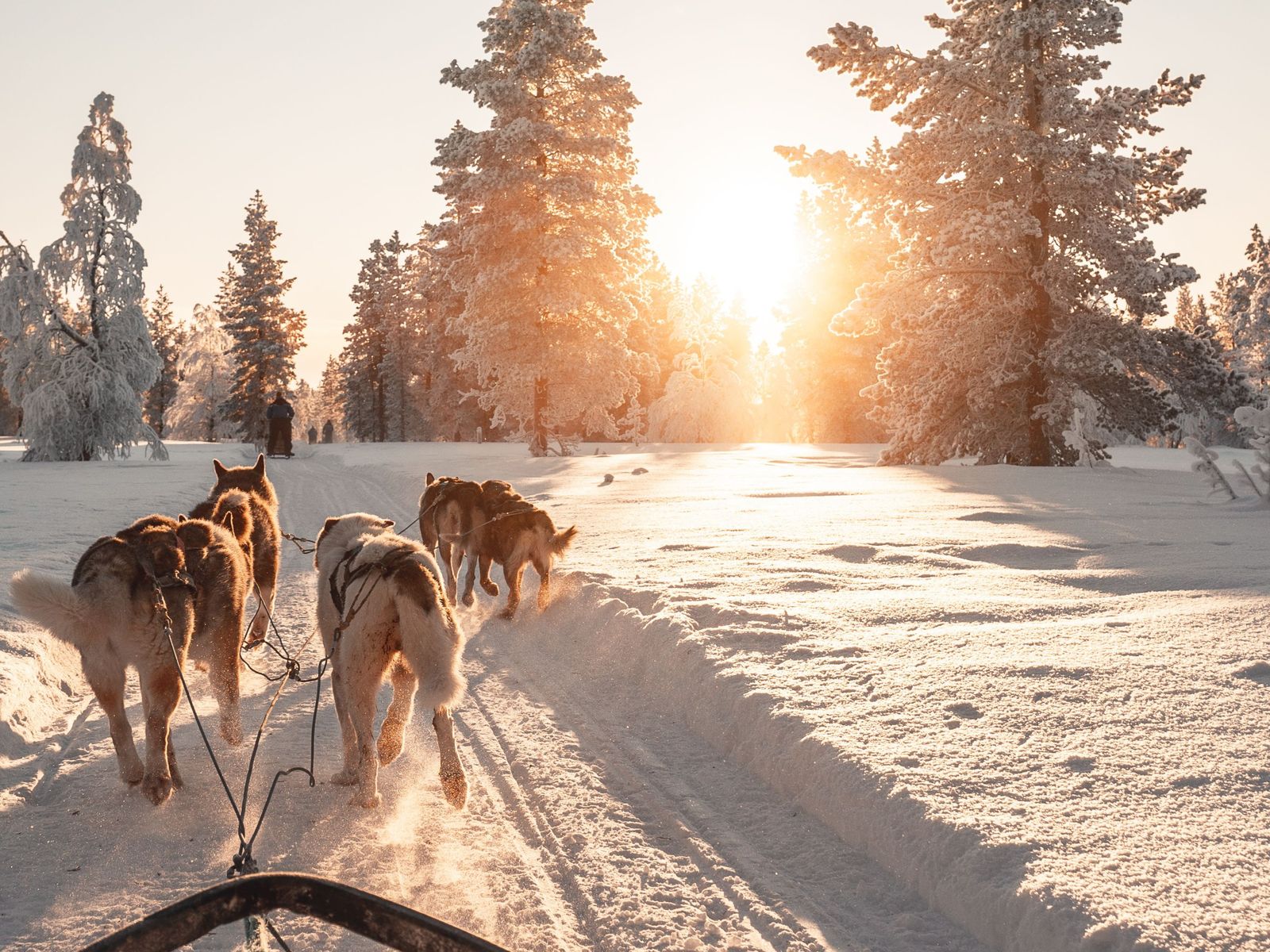
A husky team on a snow track under low March sun in Finnish Lapland
II

Spring in Lapland

Locals call it kevättalvi — spring-winter — and many of them will tell you it is the best season of the year. March holds everything winter had, with the daylight back. Snow cover is at its deepest around the middle of the month, but the sun is up for twelve hours and climbing, and it is warm enough on your face to sit outside with a coffee at the top of a fell.

The snow changes character too. Repeated thaw and freeze builds a hard crust the Finns call hankikanto — snow that carries — firm enough in the mornings to walk or ski straight across open country rather than following a track. It is the easiest time of year to move through the landscape, and the widest the wilderness ever feels.

Aurora season continues into early April, and March often brings the clearest skies of the whole winter thanks to more settled high pressure. Snow-based activities generally run to mid-April; from there the melt moves quickly, and by late May the ground is bare and the rivers are loud.

  • Daylight12 hours in early March, climbing to near-continuous by late May
  • SnowDeepest around mid-March; activities to mid-April, melting through May
  • Northern LightsYes, to early April — often the clearest skies of the season
  • Typical daytime−10°C to +5°C
  • Best forSun with snow, ski touring, long days, fewer visitors
How we plan aurora evenings
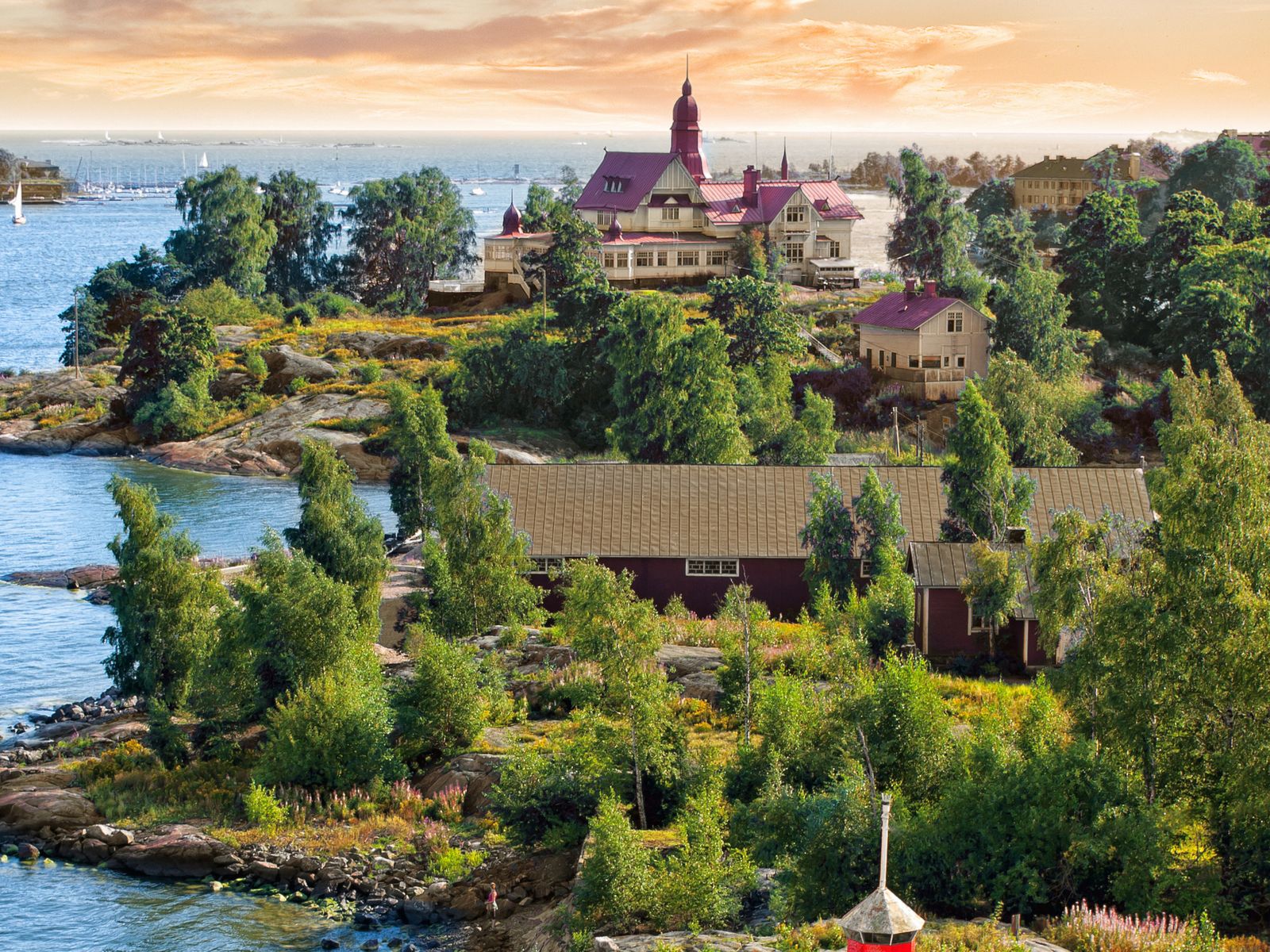
Green shoreline and water under low northern summer light
III

Summer in Lapland

In Rovaniemi the sun does not set between roughly 6 June and 7 July. Not "sets late" — does not set. It dips toward the horizon around midnight, turns the whole landscape amber for two or three hours, and climbs again. Further north the run is longer still. It rearranges how a day works: dinner at ten, a walk at one in the morning, and no particular reason to go to bed.

The Arctic is unrecognisable from its winter self. Daytime temperatures sit around 15 to 25°C, the fells are green, the rivers are open for paddling and fishing, and the hiking is exceptional — hundreds of kilometres of marked trail through national parks with almost nobody on them. Wild berries come in from late July.

Two honest caveats. There is no aurora: the nights are never dark enough between May and early August, whatever the solar activity. And there are mosquitoes, particularly inland and in still air near water. Both are manageable — the aurora simply is not what you come for, and we route summer days toward open, breezy ground where the insects thin out.

  • Daylight24 hours — no sunset in Rovaniemi, roughly 6 June to 7 July
  • SnowNone
  • Northern LightsNo — the sky never gets dark enough
  • Typical daytime+15°C to +25°C
  • Best forMidnight sun, hiking, paddling, fishing, total quiet
Where to base a summer trip
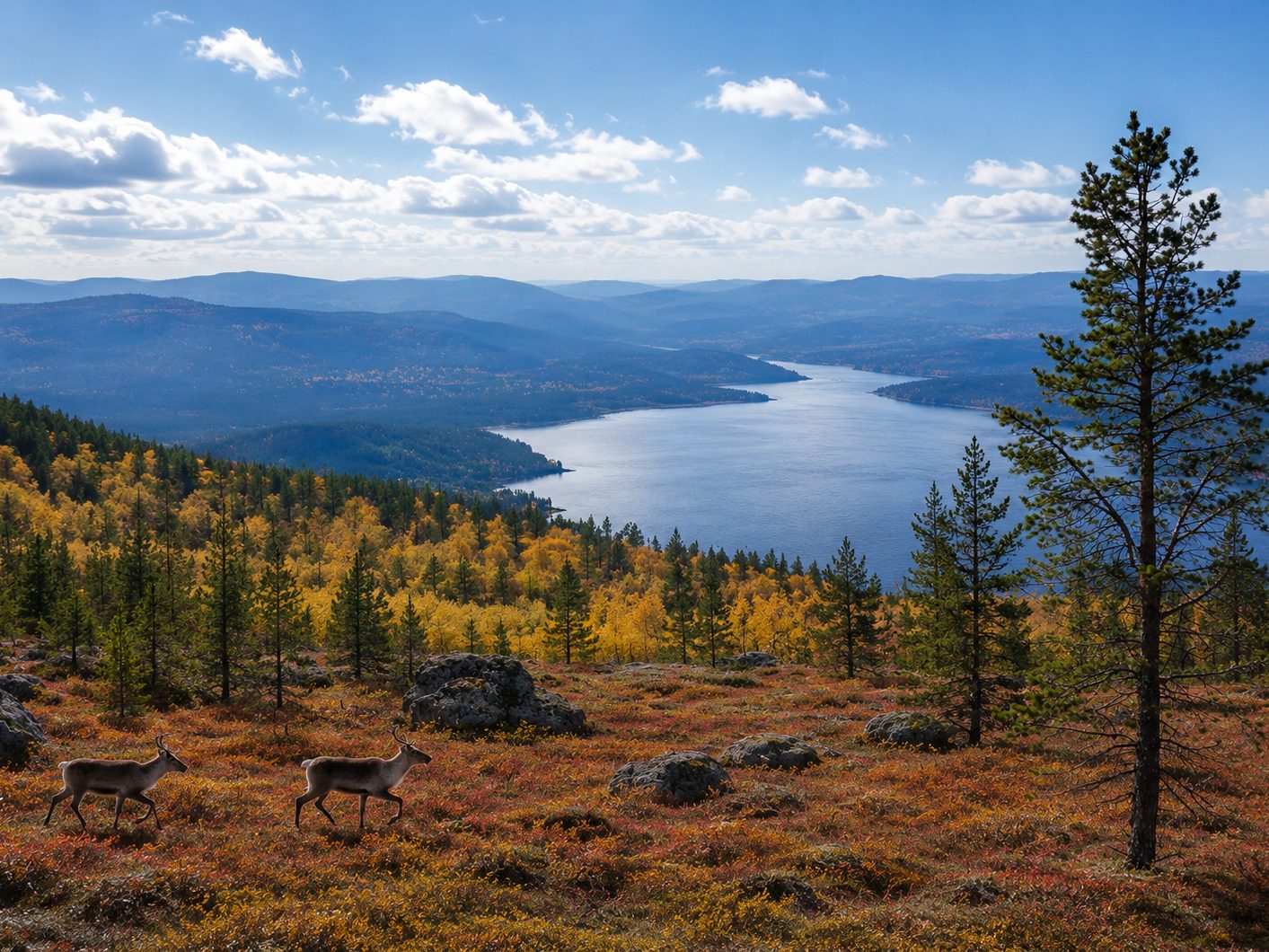
Reindeer crossing fell ground cover turning red during ruska, above a lake in Finnish Lapland
IV

Autumn in Lapland

For about ten days each September the whole landscape turns. Ruska is the Finnish word for it, and it is not the gentle amber of a southern autumn — the dwarf birch and ground cover across the open fells go scarlet and copper all at once, so the hillsides themselves change colour rather than just the trees. In northern Lapland it usually peaks in the second week of September and moves south from there.

It coincides with something else worth planning around. The nights are dark again by late August, so the Northern Lights return — and September regularly delivers clear, settled skies. It is one of the few windows where you can walk through full autumn colour in the afternoon and watch the aurora from the same fell that night, with the lakes still unfrozen and mirroring both.

By late October the colour has gone and the first snow arrives, usually settling for good in November. That late-autumn stretch is the quietest time in Lapland — half-light, bare ground turning white, almost no visitors — and for some travellers that is precisely the appeal.

  • DaylightFalling fast — around 13 hours in mid-September, 6 by November
  • SnowFirst falls late October; permanent cover usually from late November
  • Northern LightsYes, returning from late August — September often excellent
  • Typical daytime+10°C in September, falling below freezing by November
  • Best forRuska colour, aurora over open water, hiking, solitude
Lodges and villas
Choosing

Most people arrive with a season already in mind. If you do not have one, tell us what you want the trip to feel like — and we will tell you honestly which months deliver it, including when the answer is not the one you were expecting.

Frequently Asked Questions

When is the best time to visit Lapland?

It depends on what you want. December to February for deep snow, Christmas and the darkest aurora skies; March and early April for the same snow with long, bright days; June and July for the midnight sun and hiking; September for ruska autumn colour and the return of the Northern Lights. There is no single best month — only the one that matches what you are coming for.

When can you see the Northern Lights in Lapland?

From late August through early April, whenever the sky is dark enough. Midwinter offers the longest nights, but September and March often bring the clearest skies. Between May and early August the nights never get properly dark, so the aurora cannot be seen even when it is active.

How much snow does Lapland get, and when?

Permanent snow cover usually arrives in late November or early December and lasts into April, with the last patches melting through May. Rovaniemi typically receives 150–200 cm of snowfall across a season, and cover is deepest around mid-March.

Is it worth visiting Lapland in summer?

Yes, though it is a completely different trip. The sun does not set in Rovaniemi between roughly 6 June and 7 July, daytime temperatures sit around 15–25°C, and the wilderness is open for hiking, paddling and fishing at any hour. There is no aurora and no snow — people come for the light and the emptiness instead.

What is ruska?

Ruska is the Finnish word for the autumn turn, when the birch, aspen and ground cover across the fells go red, amber and gold. In northern Lapland it usually peaks in the second week of September and holds its best colour for only about ten days, moving south as the weeks pass.

Begin Your Journey

Tell us the season, or let us suggest one

Send a short note with your dates — or just what you are hoping for — and we will reply personally with the months that fit.

Begin Your Journey